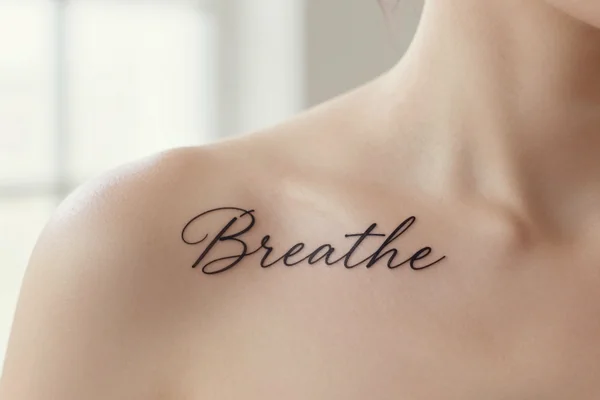
Fine Line Tattoo Aging Preview: How Delicate Designs Change Over Time
Fine line tattoos are incredibly popular right now — but how do they actually age? This analysis examines a typical delicate floral design and predicts its appearance over 5, 10, and 20 years.
Detailed Risk Breakdown
The Truth About Fine Line Tattoo Aging
Fine line tattoos — characterized by delicate single-needle work, thin lines, and intricate details — have become one of the most requested tattoo styles in recent years. Instagram is filled with stunning fresh examples. But there's a reason experienced tattoo artists often hesitate when clients request ultra-fine work: fine line tattoos age differently than traditional styles.
What Happens to Fine Lines Over Time
All tattoo ink sits in the dermis layer of skin. Over time, several processes affect how tattoos look:
- Ink particle dispersion: Ink molecules gradually spread under the skin
- Sun exposure: UV light breaks down ink particles
- Skin aging: Skin loses elasticity and changes texture
- Immune response: Your body slowly breaks down ink particles
For bold, thick lines, these processes are barely noticeable because there's plenty of margin. For fine lines, even small amounts of spreading can dramatically change the appearance.
Year-by-Year Aging Prediction
Year 1-2: The Honeymoon Period
Fresh fine line tattoos look incredible. Crisp, delicate, elegant. This is what you see on Instagram. Enjoy it — this is the peak.
Year 3-5: First Signs of Change
Subtle changes begin:
- Lines become slightly softer at the edges
- Very fine details start to lose definition
- Some areas may appear slightly faded
- Touch-ups may be needed to restore crispness
Year 5-10: Noticeable Transformation
This is where fine line tattoos show their age:
- Thin lines blur into thicker, fuzzy lines
- Closely-spaced details merge together
- The "delicate" aesthetic becomes "faded"
- Some sections may need significant touch-up work
Year 10-20: Significant Change
After 10+ years, ultra-fine line tattoos often:
- Look like a faded, blurred version of the original
- Lose most fine detail work
- May require complete rework or cover-up
Why This Fine Line Floral Scores 62/100
This specific design has moderate-high risk because:
- Single-needle fine lines: Highest blur risk category
- Intricate petal details: Will lose definition over time
- Small size: Less margin for spreading
- No bold outlines: Nothing to contain the blur
How to Reduce Fine Line Tattoo Regret Risk
If you love the fine line aesthetic, consider these modifications:
- Go larger: Same design at 5+ inches ages much better than 3 inches
- Add subtle structure: Light outline or shadow creates aging buffer
- Simplify details: Fewer intricate elements means less to blur
- Choose strategic placement: Areas with less sun exposure fade slower
- Budget for touch-ups: Expect to refresh every 3-5 years
Want to Check Your Fine Line Design?
Upload your design and get a personalized aging prediction with specific recommendations.
Try the Analyzer FreeSee it on your body first — generate a realistic tattoo preview at myink.ai
Final Verdict: Will This Fine Line Tattoo Age Badly?
Yes, this particular design has a higher-than-average chance of significant change over time. At its current size and style, expect noticeable softening within 5 years and considerable blur by 10 years.
This doesn't mean you shouldn't get a fine line tattoo — but go in with realistic expectations:
- Accept that it will change
- Budget for touch-ups
- Consider design modifications for better longevity
- Choose an artist with extensive fine line experience who will be honest about aging